

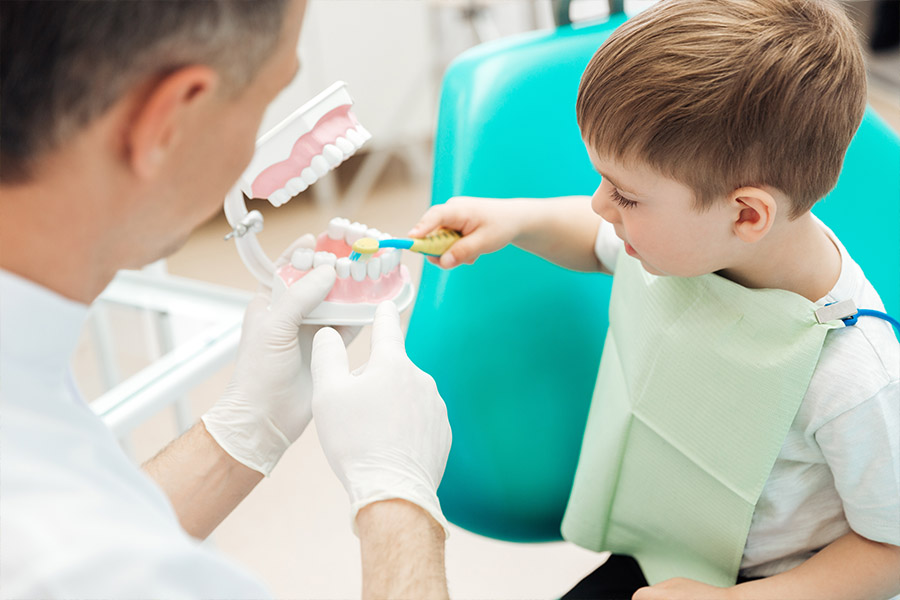
The moment your baby’s first tooth peeks through the gums is a milestone worth celebrating—and a signal that it’s time to start thinking about professional dental care. But how early is “early enough” for that very first dental check-up? Many parents assume they can wait until preschool or even later, yet dental organizations around the world—including the Canadian Dental Association (CDA) and the American Academy of Pediatric Dentistry (AAPD)—recommend a far earlier start: within six months of the first tooth’s eruption or by the child’s first birthday, whichever comes first.
If that guidance surprises you, read on. This comprehensive, parent-friendly guide explains why that “first birthday” benchmark exists, what actually happens during an infant dental visit, and how an early start lays the groundwork for cavity-free childhood. We’ll also address insurance coverage, common concerns, and tips to make the appointment stress-free—especially if you’re booking with a pediatric or family dentist here in St. Catharines.
Table of Contents
Toggle1. Why “First Tooth, First Visit” Matters
Baby Teeth Are Vulnerable
Primary (baby) teeth have thinner enamel than adult teeth, making them more susceptible to decay once exposed to sugary drinks or prolonged bottle-feeding. Cavities can form quickly—sometimes within months of a tooth erupting. An early visit lets the dentist spot weak areas before they become painful cavities.
Establishing a Dental Home
The concept of a “dental home”—similar to a medical home with your family physician—means you have a trusted clinic that knows your child’s history, risk factors, and temperament. Starting in infancy lets the dentist track facial and jaw growth, teething patterns, and oral habits (thumb-sucking, pacifier use) from day one.
Preventing Early Childhood Caries (ECC)
ECC, often called “baby-bottle decay,” is Canada’s most common pediatric infectious disease, yet it’s almost entirely preventable. Early professional guidance on feeding, brushing, and fluoride exposure slashes the risk dramatically.
Reducing Dental Anxiety
Children who meet the dentist early—before pain or emergencies—tend to develop positive attitudes toward oral care. They associate the dental office with playful exams and praise, not drills or injections.
2. What Happens During the First Dental Visit?
Parents often picture X-rays and deep cleanings, but the first visit is typically short (15–30 minutes) and non-invasive:
-
Knee-to-Knee Exam
The dentist or hygienist sits knee-to-knee with the parent, and the infant reclines in a shared lap. This positioning keeps baby secure while allowing the clinician to gently inspect each tooth and gum area with a mirror. -
Risk Assessment & Discussion
You’ll answer a few questions about feeding routines, pacifier or thumb habits, medications, and family cavity history. The dentist uses this info to gauge your child’s cavity risk. -
Gentle Cleaning & Fluoride Varnish
If plaque is visible, it’s lightly wiped away. Many dentists apply a quick-drying fluoride varnish to strengthen new enamel—especially helpful for kids at higher risk of decay. -
Oral Hygiene Coaching
Expect hands-on demonstrations about brushing tiny teeth, wiping gums, and choosing the right toothbrush or toothpaste (grain-of-rice-sized drop of fluoride paste for under-3s). -
Growth & Habit Guidance
The dentist checks jaw alignment, frenum attachments (tongue-tie/lip-tie), and bite development. You’ll receive advice on teething discomfort, sippy cups, bottle weaning, and pacifier timelines. -
Scheduling the Next Visit
Most children return every six months, but high-risk infants may need a three-month recall for additional fluoride.
3. Common Questions St. Catharines Parents Ask
“Won’t My Child Just Cry the Whole Time?”
Crying is natural but usually brief. Pediatric dentists are trained to work quickly and use distraction techniques (toys, songs). Crying actually helps the dentist view teeth more clearly!
“What If My Baby Only Has One Tooth?”
Perfect. The earlier the appointment, the easier it is to catch potential problems in feeding practices or enamel formation.
“Is It Covered by Insurance or Healthy Smiles Ontario?”
Most private benefit plans pay for infants’ recall exams, and the Healthy Smiles Ontario program covers eligible low-income children 17 and under, including preventive visits. Ask your St. Catharines dental office to pre-authorize treatment so you know the cost (if any) beforehand.
“Do I Need a Pediatric Specialist?”
St. Catharines families can choose either a pediatric dentist (who completes 2–3 years of specialty training) or a family dentist experienced in infant care. If your child has special healthcare needs or very high cavity risk, a pediatric specialist may be recommended.
4. How to Prepare for the Appointment
-
Schedule Smart
Choose a time when your baby is usually fed and rested—late morning after a nap works well. -
Skip Big Meals
A light snack an hour before prevents spit-ups during the knee-to-knee exam. -
Pack Comfort Items
Bring a favourite blanket, pacifier, or small toy for calming. -
Write Down Questions
New parents juggle countless concerns. Note them so nothing slips your mind once you’re in the chair. -
Stay Positive
Babies pick up on caregiver anxiety. Talk about the dentist visit like an exciting adventure, not something scary.
5. Beyond the First Year: Building a Cavity-Free Routine
-
Brush Twice Daily as soon as the first tooth appears, using an age-appropriate brush and fluoride paste.
-
Introduce Open Cups by 12–18 months to reduce sugary liquid bathing the teeth.
-
Healthy Snacks: Encourage fruit, cheese, and crunchy veggies over sticky sweets.
-
Regular Fluoride: Well water or bottled water may lack fluoride; ask your dentist if supplements or varnish are needed.
-
Six-Month Recalls: Keep appointments consistent. Preventive cleanings and fluoride dramatically reduce future dental bills.
6. Choosing the Right Dentist in St. Catharines
When researching local providers, look for:
-
Pediatric-Friendly Facilities—colourful décor, small-sized chairs, and trained child-centric staff.
-
Flexible Direct Billing—submission to Healthy Smiles Ontario, NIHB, or private insurers on your behalf.
-
Emergency Availability—after-hours contact in case of traumas like knocked-out baby teeth.
-
Behaviour Management Techniques—nitrous oxide or “tell-show-do” methods for anxious toddlers.
Northern Niagara Dentistry—led by Dr. Langdon—checks all these boxes. Our team has years of combined pediatric experience, a gentle chair-side manner, and the latest digital imaging that minimizes radiation exposure.
7. The Bottom Line: Earlier Is Easier
Waiting until a cavity hurts or a tooth wiggles can lead to traumatic experiences, complex treatments, and higher costs. Scheduling that first-birthday dental visit sets your child on a proactive path:
-
Prevention over intervention saves money and teeth.
-
Positive dental memories foster lifelong cooperation with oral healthcare.
-
Tailored advice addresses your family’s diet, habits, and medical background from the start.
Investing in an early relationship with a dentist means fewer fillings, happier appointments, and healthier smiles for years to come.
Ready to Book Your Baby’s First Dental Visit?
If your little one’s first tooth just appeared—or that first birthday is approaching—contact Northern Niagara Dentistry in St. Catharines. Call 905-934-2361 or book online for a welcoming, educational introduction to dental care. Together, we’ll make sure your child’s smile grows strong, cavity-free, and camera-ready!